Discovery & alignment
Working sessions to understand your business, your audience, constraints and what success should look like.


Digital strategy for businesses across the United States that need a clear direction before investing in a website, platform or campaign.
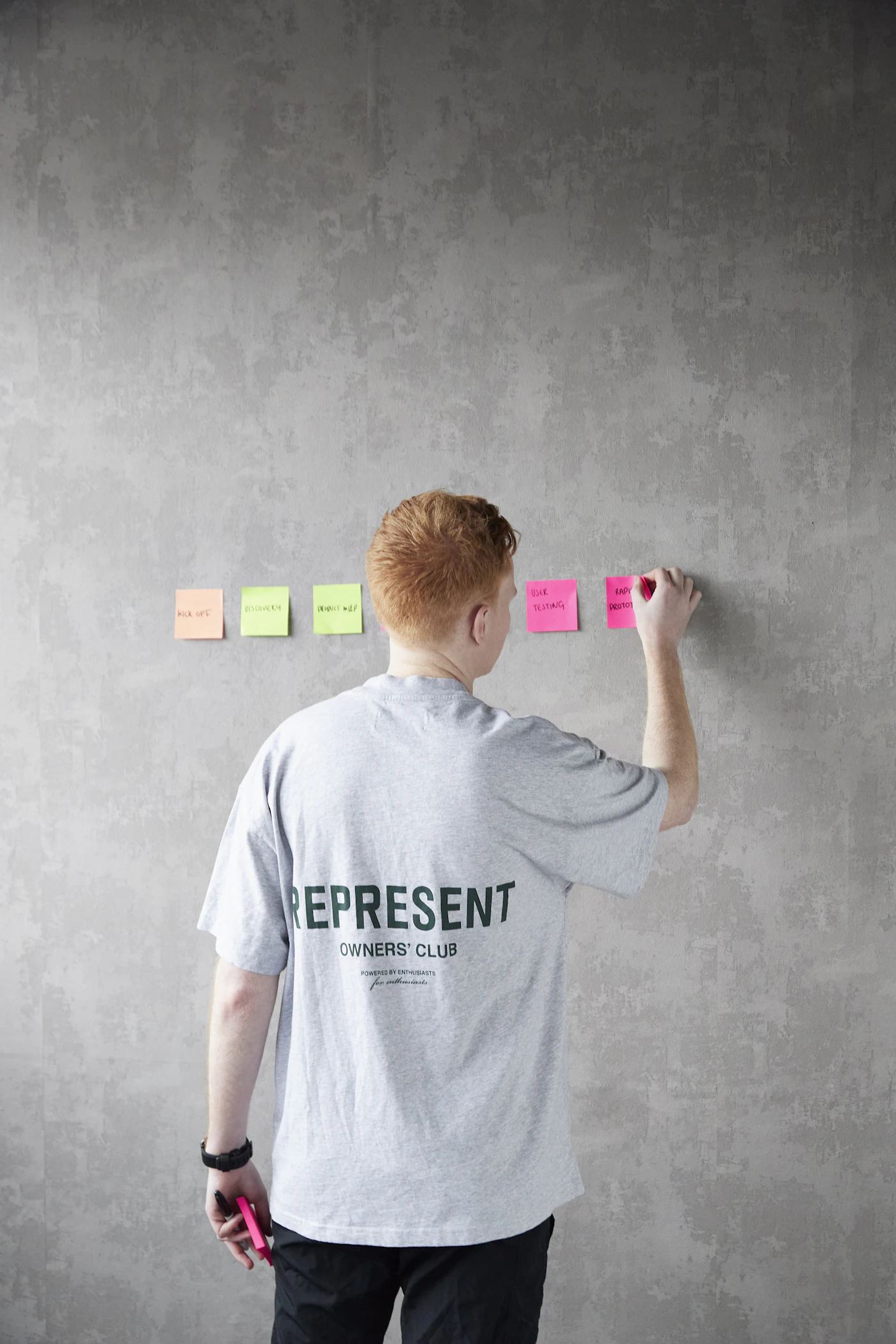
We help you explain the offer, decide which pages come first and identify the questions that still need answers. For agencies, this can turn a loose client request into a brief your production team can price.
Current offer, audience evidence, existing content and constraints.
The assumptions that could change the direction or the production effort.
A first-release plan showing what we need and which ideas can wait.
For teams defining a new brand experience, repositioning an existing site, or deciding what to build next.
A clear brief and a plan your team can use.
Working sessions to understand your business, your audience, constraints and what success should look like.
Work out what visitors need to know and how they’ll find it.
A design direction, content priorities and a plan for how people will use the site.
A plan showing what we’ll build, what we need from you and the steps to launch.
First, we agree what we’re building.
We write down the priorities, who’s responsible for each part and when you’ll review the work. That keeps the project organized while leaving room to try ideas.
OUR PROCESSDigital strategy for businesses across the United States that need a clear direction before investing in a website, platform or campaign.
Your business has changed, but the site still reflects an older offer. We help you explain the current offer and plan the pages your customers need.
Campaigns, content and product priorities compete for attention. We decide what comes first and put it into a plan your team can follow.
If customers struggle to understand what you do, more pages may not solve the problem. We simplify the message and choose the right format for each part of the story.
Review your existing website, brand materials and customer questions. Identify what is known, what is assumed and where research is needed.
Connect business objectives with audience needs. Define the important journeys, content gaps and actions the site should support.
Develop positioning, a content hierarchy and a creative brief. Prioritize the work against your budget, dependencies and internal capacity.
A strategy engagement can include stakeholder workshops, a website and content audit, audience and journey mapping, a messaging framework and a prioritized digital roadmap. We agree the exact outputs before the work starts.
Bring your business goals, existing brand materials, examples of customer questions and any useful research or analytics. If those materials are incomplete, we identify the gaps together.
A request for a new website can start with several different problems. The design might feel dated, the services might be hard to understand, or visitors might struggle to get in touch. We look at the current site and ask what prompted the change before recommending a build.
Your sales conversations are useful here. What do customers ask repeatedly? Which services are difficult to explain? Where do people hesitate? We compare those questions with the information on the site and any research or analytics you have. For businesses serving a particular area, we also look at what local customers need to know. The result is a clearer problem to solve, rather than a long list of new pages and features that may not help.
Once we understand the problem, we put the work in order. The roadmap shows what to tackle first, what relies on another decision and which ideas can wait. It also identifies missing content, technical requirements and the people needed to move things forward.
Some teams need a plan for a full website. Others need to settle their message, improve a few pages or test an interactive product demo before committing to a larger build. We can help with any of those starting points. A strategy project can lead into design and development, or you can take the plan back to your own team. We explain the reasons behind the recommendations, so you can use them after the presentation is over.
People should be able to tell what you do without decoding your marketing language. We help you explain the offer, who it’s for and why someone might choose it. That means using specific details and evidence you actually have, rather than making bigger claims.
We can try the message in draft copy, a page outline or a simple prototype before investing in the finished design. These drafts give your team something concrete to respond to. You might find that a service needs a better example, a product feature needs a demonstration, or the contact page needs to explain what happens next. We work through those questions early, then use the answers to guide the content and build.
An original orbital relay illustrates a strategic challenge: connect a sophisticated mission to the people who need to understand it.
Understand the offer, audience and constraints before choosing the experience.
Map important journeys and distinguish essential work from optional ideas.
Translate the direction into a practical brief, scope and sequence.
Preparing the product
Yes. A clear challenge is enough to start a discovery conversation. We can help turn the unknowns into a usable brief.
Not necessarily. We look at what already works and identify the changes the experience actually needs.
Strategy defines the audience, goals and priorities. Website design turns that direction into layouts, content and interactions. A strategy project can stand alone or lead into a design and development engagement.
Yes. Discovery, reviews and collaboration can take place remotely for businesses across the United States. Meeting arrangements are agreed during project planning.
Tell us what you’re building and who it’s for. We’ll talk through what you need and where to start.
Tell us what you’re imagining